

Who can solve this problem?
CANIETI Innovation Radar
All the innovation, on the radar.
So that we can say, with evidence: this innovation exists, it is developed by this university, this startup or this company, it has this maturity level, and it can solve this problem that these companies have today. And so that everything registered can find challenges, customers, partners or complementary technologies.
“This innovation exists. It is developed by this university, this startup or this company. It has this maturity level. And it can solve this problem that these companies have today.”
The innovation
Who develops it
Its maturity level
The problem it solves
The companies that have it
Engine 2 · More than a directory
The radar exists to generate opportunities.
A map answers who exists and where they are. The radar also answers the questions that produce connections — which is why it is the first source of scouting for every challenge.
Who can complement this solution?
What technology is ready to reach the market?
What company could become a customer?
What university has the capability this company needs?
What solution from one region can be applied in another industry or place?
Existing innovation
Visibility
Connection
Complementarity
Opportunity
Market
The offer, card by card
Innovations on the radar.
Each card answers the complete sentence: what exists, who develops it, how mature it is, what problem it solves and which companies have that problem. Also designed for external actors and end clients looking for a supplier or a technology partner — contact is always brokered through CANIETI.
Loading innovations…
Who develops
The ecosystem on the radar.
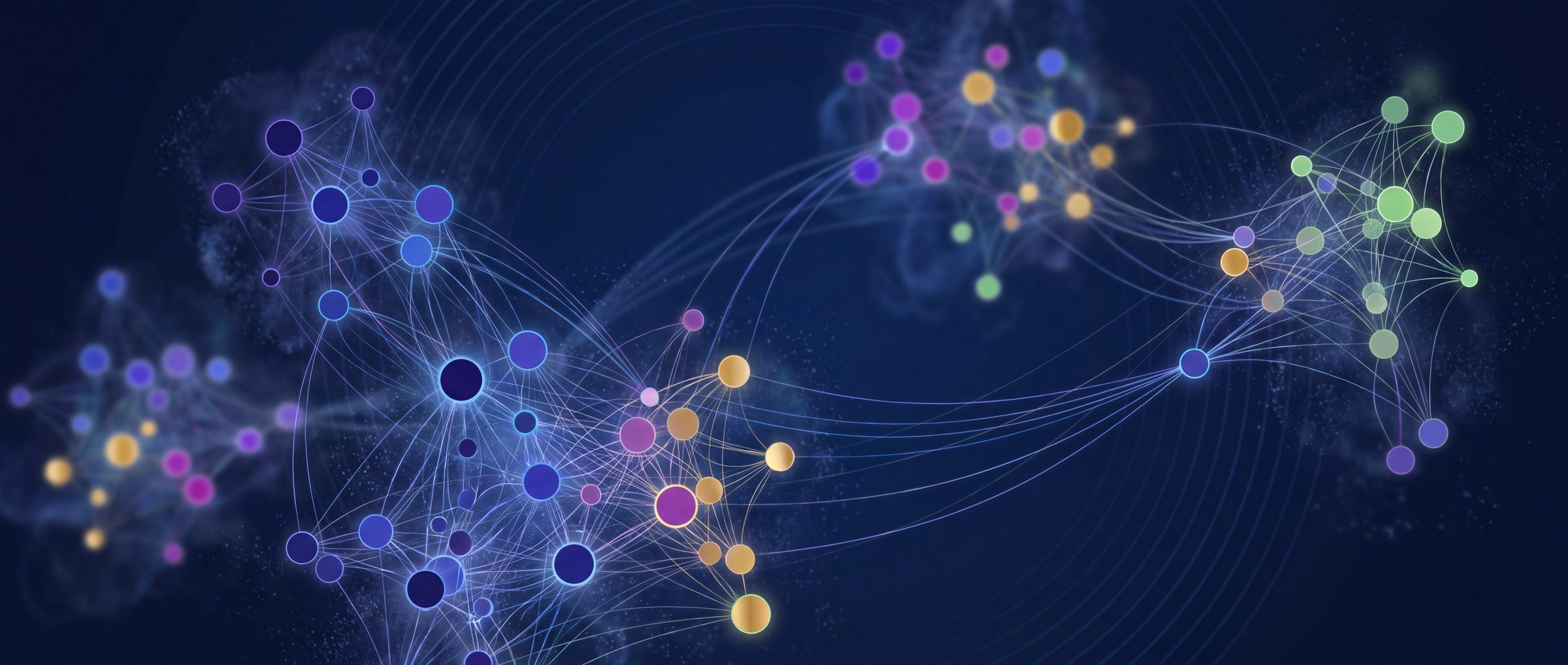
The organizations behind the innovations and their collaborations. Each node is an organization; its size reflects its maturity level and the lines show who already works with whom. Search by text or filter by area, type, maturity or region.
Loading the radar…
This is where scouting begins. When the Innovation Council approves a
challenge, the search for potential solvers begins
on this radar, before expanding to universities, startups and international ecosystems.
Being registered means being on the first list where the search happens.
How it connects
Three functions, one radar.
01
Detect what exists and its maturity level
Universities, centers, clusters, startups, companies, MSMEs, TTOs and government agencies register with a comparable card: what innovation they offer, in what area, in what region and how mature it is. Visible maturity avoids the most costly mistake in connection-making: expecting a finished product and receiving a prototype, or the other way around.
- — Structured registration by actor type
- — Maturity declared on a common six-level scale
- — TRL when it applies to a specific technology
- — Work areas aligned with the Council's priorities
02
Interconnect mature projects and university clusters
A project validated at a university and a company that needs exactly that capability can be fifteen minutes apart without knowing it. The radar makes both the existing and the possible connections visible: CANIETI proposes connections between complementary nodes so that what is already mature generates more value in the ecosystem.
- — Visible connections between those who already collaborate
- — Proposed connections between complementary capabilities
- — University clusters connected with real business demand
- — Direct connections between anchor companies and supplier SMEs
- — Scaling paths for projects that have already been validated
03
Submit open challenges among registered members
A registered organization can open a challenge directed at the ecosystem: who solves it, under what rules and with what decision date. Opening it among already registered actors — with their maturity and capabilities visible — cuts weeks off the search and gives speed to open innovation without skipping any protocol.
- — Challenges visible only to registered members, or public, at the choice of whoever opens them
- — Framework agreement and confidentiality before sharing sensitive information
- — Intellectual property agreed before starting
- — Contact brokered by CANIETI, respecting each institution's regulations
Protocols come first. No radar function overrides the internal
regulations of a university, a center or a company. Agreements, confidentiality agreements
and intellectual property rules are signed before sharing sensitive information, and contact
between organizations is always brokered through CANIETI. The radar never publishes personal
data.
Today
Interface demo with illustrative cards, while registration opens.
Phase 1
The radar is populated from the capability form registrations that check the “appear on the radar” box, curated and validated by the Innovation Council before being published.
Phase 2
Continuous updating: each organization maintains its card, its maturity and its connection projects through its own access.
Opportunities among the innovators themselves
Two projects can be worth more than one.
The radar does not only seek to connect buyer and seller: it also detects that a company with an AI platform and another with specialized sensors, together, are a more complete solution for a bigger market. Cards that declare what they complement show it on their own card.
Technology + Technology
Two solutions complement each other: sensors + analytics, hardware + platform.
University + Company
A research project becomes a product with an industrial partner.
Startup + Corporation
A technology finds a distribution channel and its first major customer.
Innovation center + SME
A company gains access to capabilities it could not develop internally.
Project + Project
Two developments join forces to increase reach, functionality and market.
Company A + Company B
= a more complete solution → a new market. This is how CANIETI multiplies the power of existing innovations.
One shared rule
The radar's maturity scale.
A common six-level scale for all types of actors. The top level —ecosystem driver— sets apart projects that are already on the market, growing exponentially and able to pull other projects along with them. For specific technologies, the TRL, the technology readiness level from 1 to 9, is also recorded.
Loading the scale…
International benchmark
What we learned from BIND 4.0 (Basque Country).
BIND 4.0 is the Basque Government's open innovation platform that connects startups with industrial companies through challenges that end in real commercial contracts, with acceleration cycles of around six months. It is one of Europe's most cited public venture client programs.
- — Structured registration of the ecosystem, not a flat directory.
- — Challenges with real commitment and a decision date, not open calls without follow-up.
- — Short cycles: from challenge to pilot in months, not years.
- — Protocols first: agreements, confidentiality and intellectual property settled before starting.
Join the radar
The radar is only as valuable as its cards.
Register your innovation with its maturity level and the problem it solves, or open a challenge for the ecosystem to answer. The Innovation Council validates every registration before publishing it.